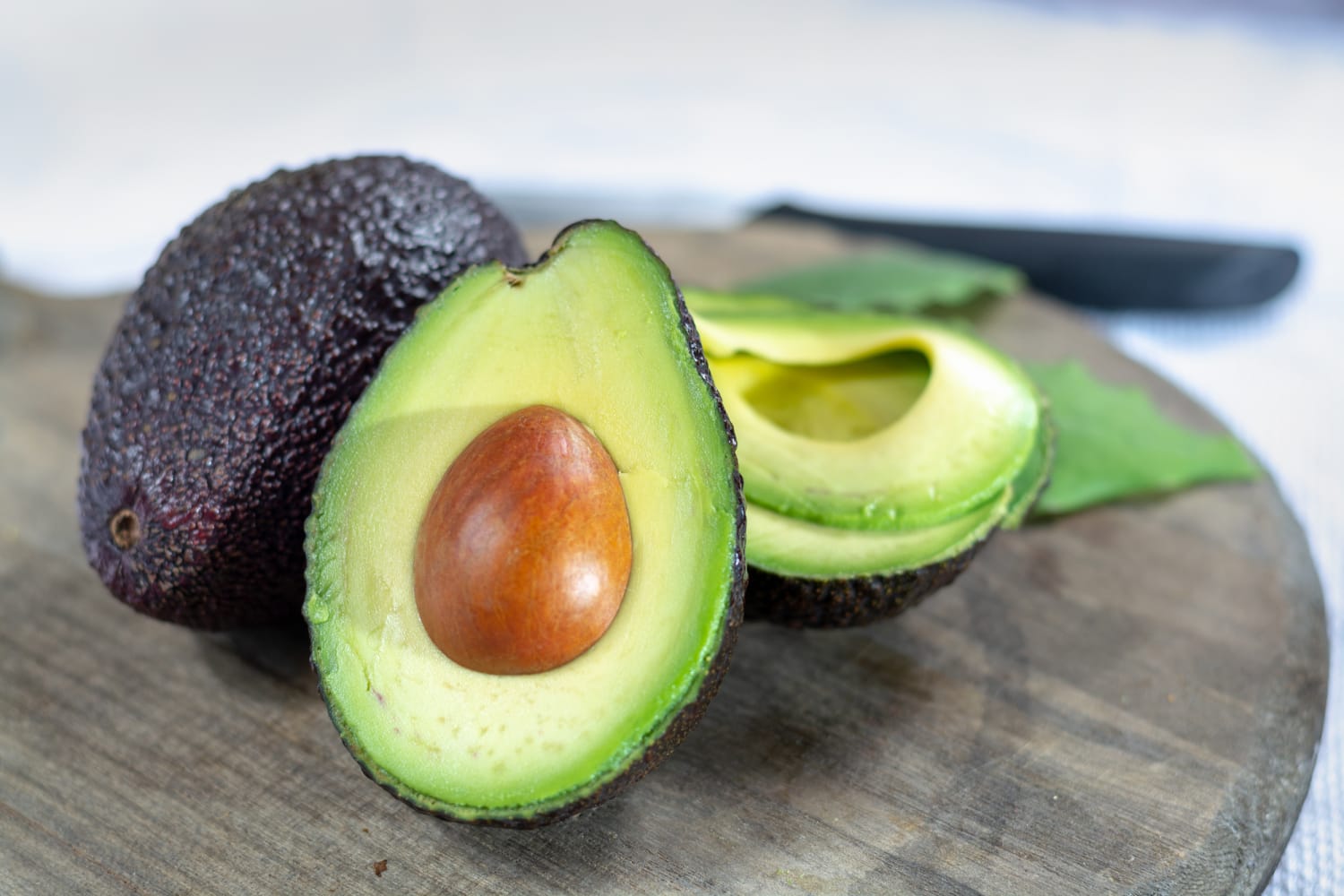
One Saturday afternoon in October 2001 I found myself in a state of dire panic.
My shpilkes were out of balance with the otherwise whimsical background of Meguro Station. It was filled with carefree couples and young families stocking up on piping hot oden, bitter and bony sanma and other soothing dishes to usher in the crisp breezes of autumn in Tokyo. My culinary zeitgeist was affixed to a Mexican feast that I had sworn to whip up for my friends, and I was running out of time in the supermarket without an avocado to be found.
Finally, one of the capable stock girls at Precce market ushered me to a hidden section of the produce department. Nestled amongst the komatsuna greens, spendy matsutake mushrooms and early crop mikans was a small pile of Mexican avocados. Each was ensconced in a terribly secure, terribly un-environmentally wrapper. Each cost about six bucks. Mission-bound, I abruptly moved past the sticker shock and set four avocados on top of my shopping basket along with a bunch of high-ticket cilantro.
The meal was a hit with my Tokyo chums, in part to the exotic guacamole dolloped on Old El Paso tortilla chips. Phew.
Skip forward 20’ish years to the present moment, and avocados are all the rage in the tony wards of Meguro, Minato, Sibuya and Hiibiya. Dining out on one of the many socially distant alfresco restaurants near Komazawa Park, it is next to impossible to glance at a menu without encountering a-bo-caa-do within a salad, astride a rich strip of beef or smeared across campagne toast for the resident hipsters. Glancing at the shopping trollies of posh Seijyo-Ishii shoppers and not-so-posh Summit shoppers, it is easy to spot avocados mingling with packets of natto and great heads of hakkai cabbage.
What happened here? How did avocados become a thing in a pace about as far away from Mexico and Chile as you can get?
The twin forces of supply-side distribution and aspirational consumerism (aka the logic of appropriateness) planted the seeds. Social media made (the avocado tree – hah!) grow.
First, let’s look at distribution. In the mid-2010’s Japanese food retailers began to do double placement of avocados and other far-afield, high-margin fruits like kiwis and dates. Near the entrance piled high in well-maintained end-cap displays were avocados. Heaps and heaps of avocados. The purpose of said displays was to rouse Japanese consumers from their “goal directed” behavior and inspire them to be aware basic “idea” of avocados. Given the majority of food shoppers in Tokyo go to the market 2-3 times a week with prescribed, often written list, the retailer needs to mix things up with awareness. Very few shoppers would take from the entrance displays, given a feeling of haste and purpose. The REAL volume of avocados would move through at least one or two more displays within the store. This allowed the heterogeneity of shopping to play out to give the buyer a sense of control.
As top-line volumes of avocados went up in Tokyo, pricing began to shift down, moving our green-skinned friend from a once-in-a-blue-moon delicacy to a slicey addition to a midweek salad. Since the mid-2010’s surging demand from China has messed around a bit with pricing. I expect the avocado barons and baronesses of Michoacan must be way into that.
But there was something else afoot to drive the avocado wave further . . . the story of what avocados could do for you! Age-appropriate lifestyle magazines like Oggi, Glow and Voce began to tout the ethereal benefits of avocados. Beyond all of the k-vitamins and fiber, the notion that the fruit (who knew!) was wondrous for your skin sealed the deal. Given that Japanese consumers spend $151 per capita annually on skin care (highest in the world), two hundred yen for an epidermal smoothing wonder seemed like a bargain.
Fueled continuously by social media, the message that avocados are an accessible aspirational experience hits home with a broad range of consumers in Japan. Recent economic studies note that Japan is the 8th largest demand market in the world, totalling more than $250M in imports each year.
Recently I was having a Zoom catch up with some friends in Auckland, and they informed me that the globally ambitious Zespri kiwi consortium was not far behind. I asked them how they planned to win in Japan?
“Follow the avocado playbook!” they chortled with confidence. Duh.

 The Tokyo Yenta